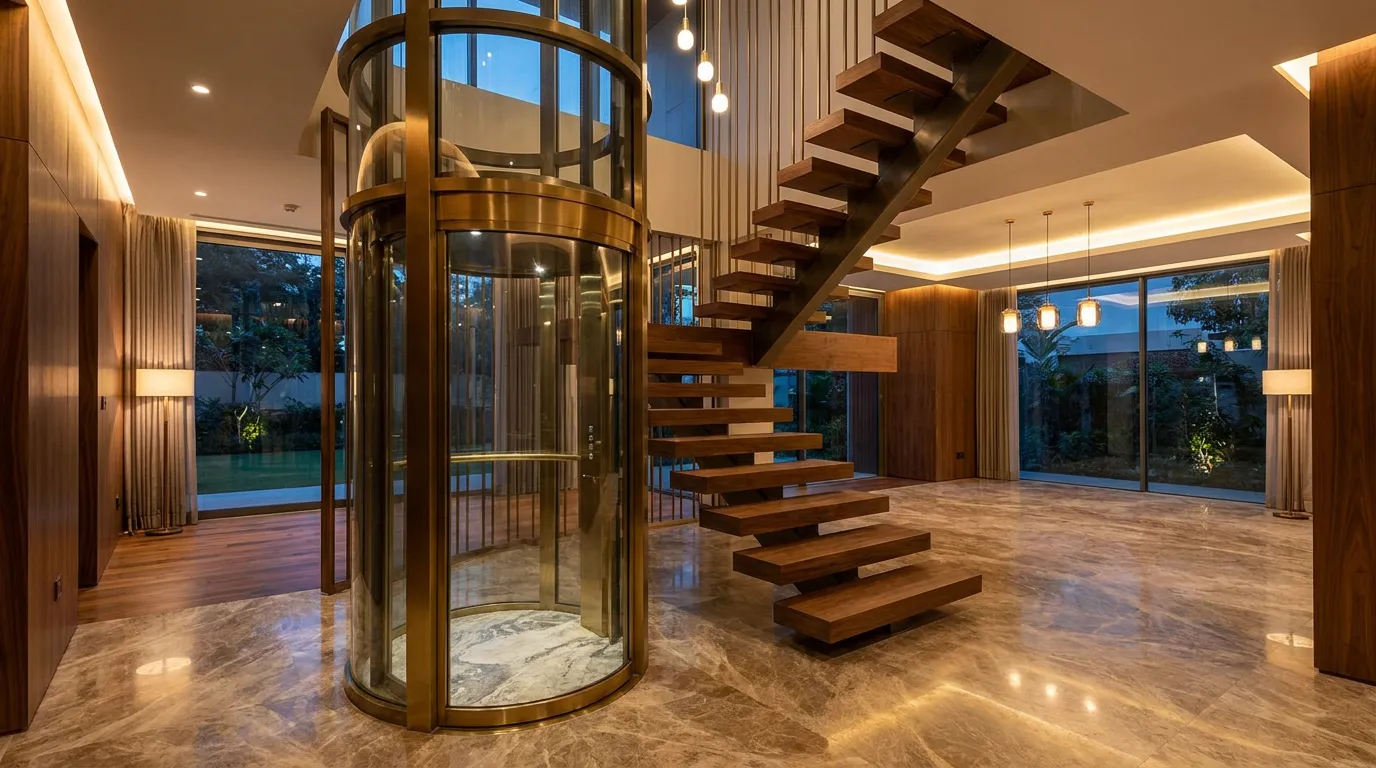
A decade ago, a private elevator in a Toronto home was a curiosity. Today it is fast becoming an expectation at the top of the market. Builders of new luxury homes increasingly design elevator shafts into their plans, and buyers of existing estates routinely ask whether one can be added. The private residential elevator has quietly become one of the most sought-after features in the Greater Toronto Area's luxury market.
So what changed? The answer is a mix of demographics, design trends, and the simple economics of building tall on expensive land. This guide explains why demand is rising, what elevators cost, how they affect resale value, and where to find homes that already have one.
Live luxury homes with elevators
Curated estates featuring private residential elevators.
Data Accuracy: While every effort has been made to ensure the accuracy of the information, HouseIndex.ca makes no warranties or representations as to the accuracy, completeness, or reliability of this data. All information should be independently verified. Last updated data may not reflect the most current MLS® listings.
Why demand is rising
The most powerful driver is demographics. As affluent buyers age, many want to remain in their homes for the long term rather than downsize. An elevator turns a three-storey estate into a home that works at every stage of life, removing the one obstacle, stairs, that so often forces a move. This ageing-in-place logic has moved the elevator from luxury to practicality for a large segment of buyers.
Multigenerational living reinforces the trend. More GTA families now share a home across three generations, and an elevator makes upper floors accessible to grandparents and young children alike. For these households, it is a feature that shapes daily life rather than a showpiece.
Land economics and building tall
There is also a structural reason. In prestige neighbourhoods, land is scarce and expensive, so luxury homes build upward, three and even four finished storeys are common in new construction. Once a home reaches that height, an elevator stops feeling like an indulgence and starts feeling essential, especially where a rooftop terrace or a top-floor primary suite is part of the design.
What a residential elevator costs
For buyers weighing a home without one, the key question is cost. Installing an elevator in an existing GTA home typically runs from the low tens of thousands for a compact model to well over one hundred thousand dollars for a premium system with custom finishes and multiple stops. New construction is far cheaper to accommodate, because the shaft can be framed from the start. When comparing homes, a pre-existing elevator therefore carries real value beyond its convenience.
Curious what your estate is worth today?
Request a confidential, no-obligation valuation prepared by a GTA luxury specialist — backed by real MLS® comparable sales.
How elevators affect resale value
In the luxury tier, a well-integrated elevator is increasingly a net positive at resale. It widens the pool of buyers , particularly older buyers and multigenerational families, and signals a home built to a high standard. The caveat is integration: an elevator that fits the home's design and flows naturally between floors adds value, while a poorly placed retrofit can feel like an afterthought. Buyers should look for elevators that were planned into the layout rather than squeezed in.
What to look for when buying
If an elevator is on your must-have list, a few things separate the best installations from the rest. Look for smooth, quiet operation and a cab large enough to be genuinely useful. Check how many floors it serves, ideally all of them, including any basement level and rooftop. Confirm the system has been maintained and inspected. And consider the finishes: in a luxury home, the elevator interior should match the quality of the rooms it connects.
Elevators pair naturally with other luxury features. Many of the GTA's finest new modern and contemporary homes combine an elevator with a rooftop terrace, while grander traditional estates use them to connect multiple finished levels discreetly.
Where to find homes with elevators
Elevator-equipped homes appear across the GTA's luxury neighbourhoods, but they concentrate in areas with tall new builds and larger estates, the prestige pockets covered in our top 10 luxury neighbourhoods guide. The simplest way to find current inventory is our dedicated homes with elevators collection, which pulls live listings featuring the amenity.
Whether you are buying a home with an elevator or planning to add one, a clear valuation helps you weigh the numbers. Explore the full GTA luxury collection or request a private valuation to plan your move.
Thinking of buying or selling in the $2M+ market?
Private, discreet, and data-driven — the way luxury transactions should be.
Luxury estates rarely trade the way ordinary homes do. Many change hands through private channels, and pricing hinges on nuances the mainstream market never sees. Get a confidential valuation of your property — or a curated shortlist of estates matched to your criteria — from a specialist who knows every prestige pocket in the Greater Toronto Area.
More luxury reads
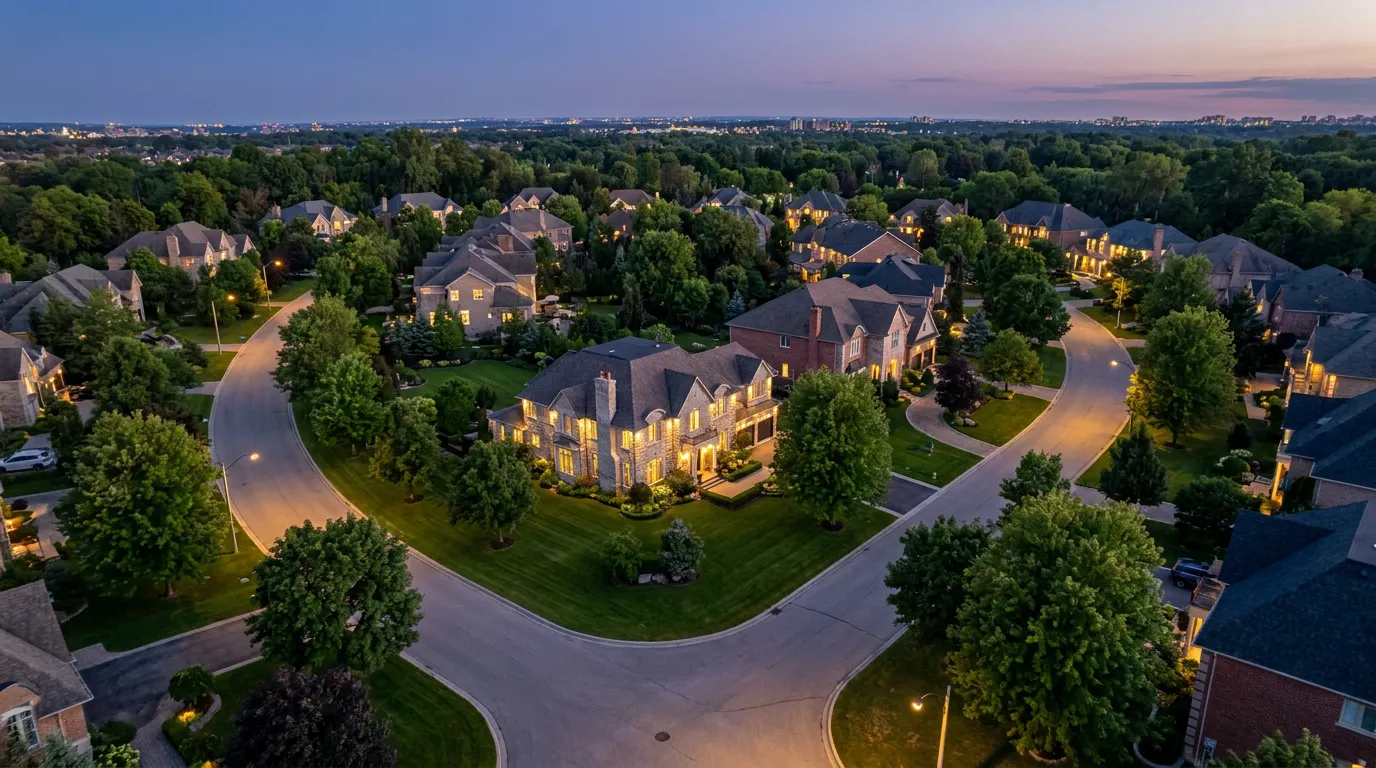
Top 10 GTA neighbourhoods for luxury buyers in 2026
The 10 most prestigious addresses in the Greater Toronto Area — ranked by price, prestige, and privacy.
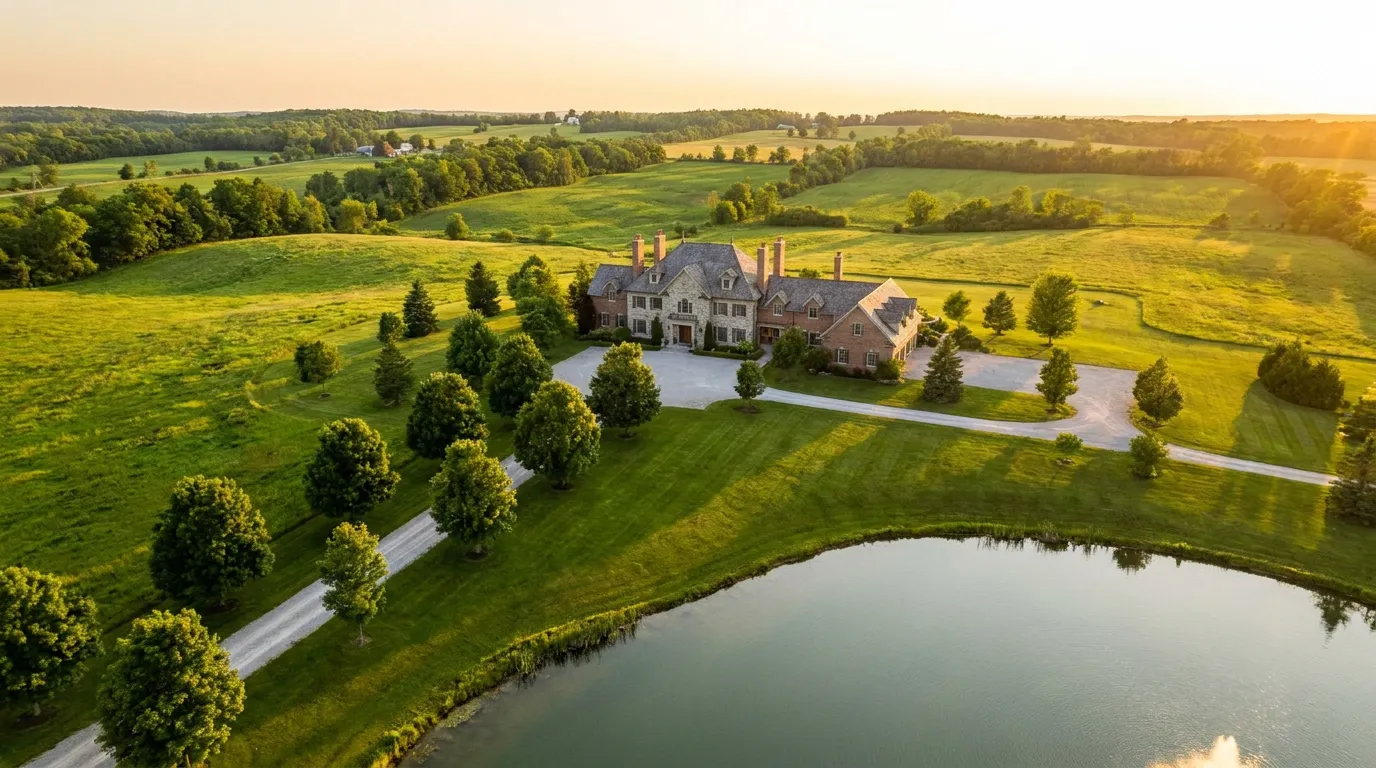
King City vs Kleinburg vs Bayview Hill for luxury buyers
Three of York Region’s most coveted luxury enclaves, compared head-to-head for estate buyers.
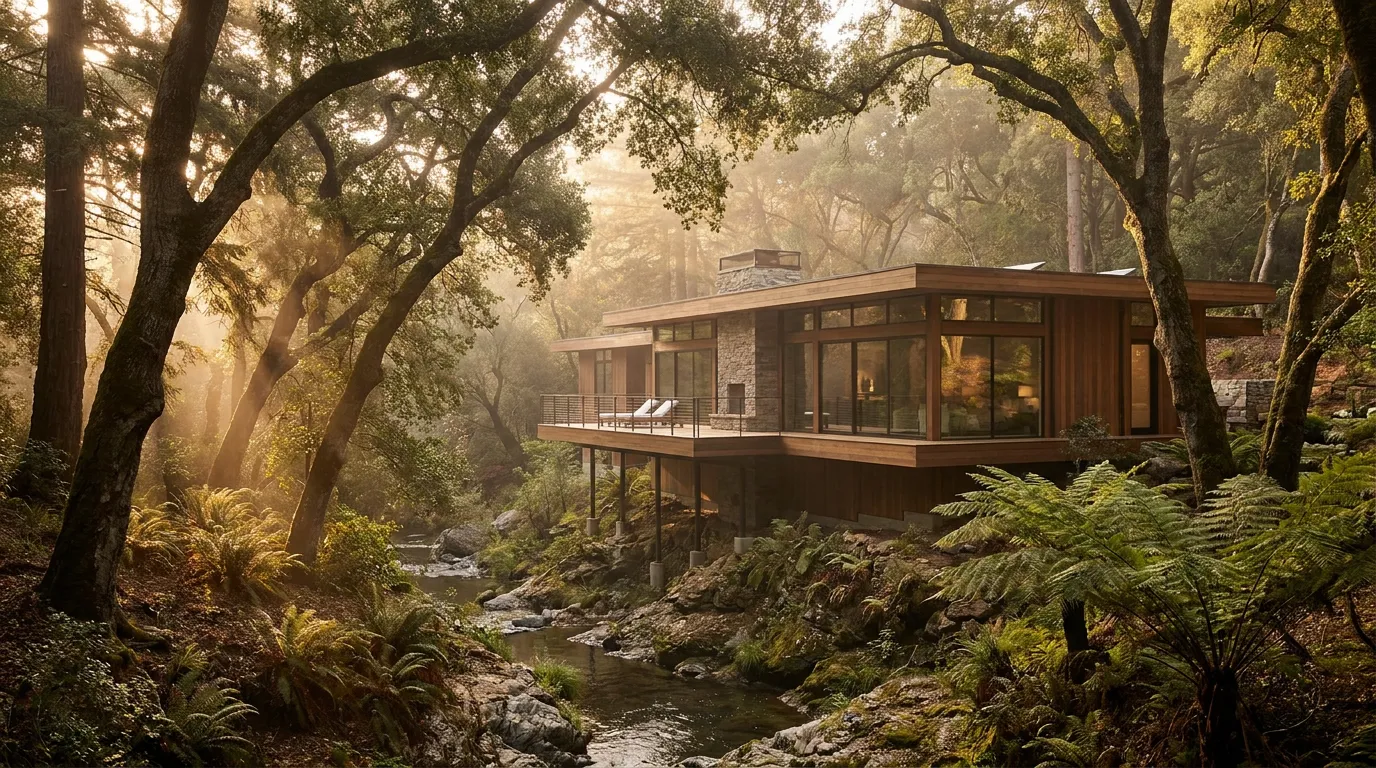
Hidden luxury neighbourhoods outside Toronto most buyers miss
The under-the-radar enclaves where discerning buyers find more land, more privacy, and better value.