Proudly Canadian
Grand traditional stone estate home with symmetrical facade in the Greater Toronto Area
Classic Luxury Collection

Traditional Estate Homes in the Greater Toronto Area

The definitive guide to classic luxury estates across the GTA — timeless architecture, estate-sized lots, and the region’s most prestigious addresses.

Request a Private Showing
The Definition

What Is a Traditional Estate Home?

A traditional estate home is a large, formally designed luxury residence rooted in classic European architecture. Unlike mass-produced builds, these homes are defined by enduring proportions, premium natural materials, and a sense of permanence. In the Greater Toronto Area, they represent the pinnacle of established luxury — the kind of residence that anchors a prestigious street and holds its appeal for generations.

The most recognizable hallmark is the exterior. Traditional estates are clad in natural stone, brick, or limestone, often combining materials for depth and texture. Facades are typically symmetrical and balanced, crowned by a grand two-storey entrance that signals arrival. Slate or cedar roofs, copper detailing, and divided-light windows complete a timeless, European-inspired silhouette that feels as relevant today as it did a century ago.

Step inside and the craftsmanship continues. Expect a soaring foyer with a sweeping curved staircase, coffered ceilings, and detailed millwork throughout. Wainscoting, crown mouldings, and solid hardwood floors are standard, as are formal principal rooms designed for entertaining — a formal dining room, a refined library or home office, and generous living spaces with fireplaces. These homes are built to a standard of quality that prioritizes solid construction and materials that age gracefully.

Equally important is the land. Traditional estates sit on estate-sized lots — generally half an acre to several acres — with mature landscaping, established trees, and considerable privacy. The grounds are part of the architecture: formal gardens, circular driveways, motor courts, and carefully framed views all contribute to the estate’s presence and value.

Why these homes retain value over time: Traditional estates benefit from a powerful combination of scarce land, superior craftsmanship, and timeless design. Because their style never falls out of fashion, they appeal to the broadest possible pool of luxury buyers — including international purchasers relocating to the GTA. Their established neighbourhoods rarely see new supply, and the quality of materials means they depreciate far more slowly than trend-driven builds. The result is an asset class known for resilient, long-term value.

Traditional vs. Modern, Contemporary & Transitional: It helps to understand where traditional sits among luxury styles. Traditional homes embrace ornate, classic detailing — formal rooms, symmetry, and rich mouldings. Transitional homes keep that classic structure but pair it with cleaner, lighter, more current finishes, offering a bridge between old and new. Contemporary homes reflect what is being built right now, with open layouts and warmer minimalism, while modern homes are the most stripped-back — flat roofs, walls of glass, and a strict less-is-more philosophy. Buyers who value heritage, formality, and proven resale tend to gravitate toward traditional estates.

Natural stone, brick or limestone
Grand two-storey entrances
Symmetrical facades
Coffered ceilings
Detailed millwork & wainscoting
Formal dining rooms
Library / home office
Curved staircases
Estate-sized lots
The Appeal

Why Buyers Choose Traditional Estates

Beyond beautiful architecture, traditional estates offer practical advantages that consistently draw discerning buyers across the Greater Toronto Area.

Timeless Design

Classic proportions and craftsmanship never go out of style, protecting your home’s appeal for decades.

Strong Resale Appeal

Traditional estates draw the widest pool of luxury buyers, supporting resilient resale value.

Prestigious Neighbourhoods

These homes anchor the GTA’s most established and sought-after addresses.

Larger Lots & Privacy

Estate-sized parcels deliver space, mature landscaping, and seclusion that infill lots cannot match.

Multi-Generational Layouts

Formal and informal living zones, main-floor suites, and finished lower levels suit extended families.

Superior Craftsmanship

Solid masonry, real millwork, and quality materials are built to last generations.

Luxury Finishes

Coffered ceilings, wainscoting, hardwood, and bespoke kitchens come standard at this tier.

Executive Entertaining

Grand foyers, formal dining rooms, and landscaped grounds are made for hosting in style.

Mature Landscaping

Decades-old trees and established gardens create privacy and curb appeal money can’t rush.

Where to Buy

Best GTA Neighbourhoods for Traditional Estates

These established communities are home to the GTA’s finest traditional estates. Explore each neighbourhood’s character, pricing, and lifestyle — then dive into dedicated local guides and listings.

Tree-lined estate street in the Bridle Path, Toronto’s most exclusive luxury neighbourhood

Bridle Path

$6M – $35M+

Known locally as “Millionaires’ Row,” the Bridle Path is the most prestigious address in Canada. Buyers choose it for unrivalled privacy, multi-acre lots, and a concentration of architect-built traditional manors found nowhere else in the GTA.

Lots: Two to five-acre estate lots with gated, hedge-screened frontages and long private drives.
Architecture: Grand Georgian and French chateau-style stone manors with symmetrical facades, slate roofs, and formal motor courts.
Lifestyle: Quiet, ultra-private, and central — minutes from Yorkville yet surrounded by ravine greenery.
Schools: Crescent School, Toronto French School, and Havergal College are all within easy reach.
Parks: Backs onto Sunnybrook Park and the Don Valley ravine system with riding and walking trails.
Commute: 20–25 minutes to downtown Toronto; quick access to the DVP and Highway 401.
Amenities: Steps from Sunnybrook Hospital, Granite Club, and the boutiques of Yorkville.
Explore Bridle Path listings & guide
Estate homes on large lots in the village of Kleinburg, Vaughan

Kleinburg

$2M – $8M

Kleinburg blends village charm with true estate living. Buyers are drawn to its rolling, wooded lots, heritage main street, and a strong sense of community within an easy commute of the city.

Lots: Half-acre to two-acre lots, many backing onto the Humber River valley and conservation land.
Architecture: Stone-and-brick traditional estates with grand two-storey entrances, coffered ceilings, and extensive millwork.
Lifestyle: Refined yet relaxed — boutique shopping, fine dining, and the McMichael Canadian Art Collection.
Schools: Kleinburg Public School and access to top private schools including Villanova College nearby.
Parks: Bordered by the Humber River trails, Kortright Centre, and Boyd Conservation Area.
Commute: 40–45 minutes to downtown; fast access to Highways 427, 27, and 407.
Amenities: Historic Islington Avenue village shops, galleries, and award-winning restaurants.
Explore Kleinburg listings & guide
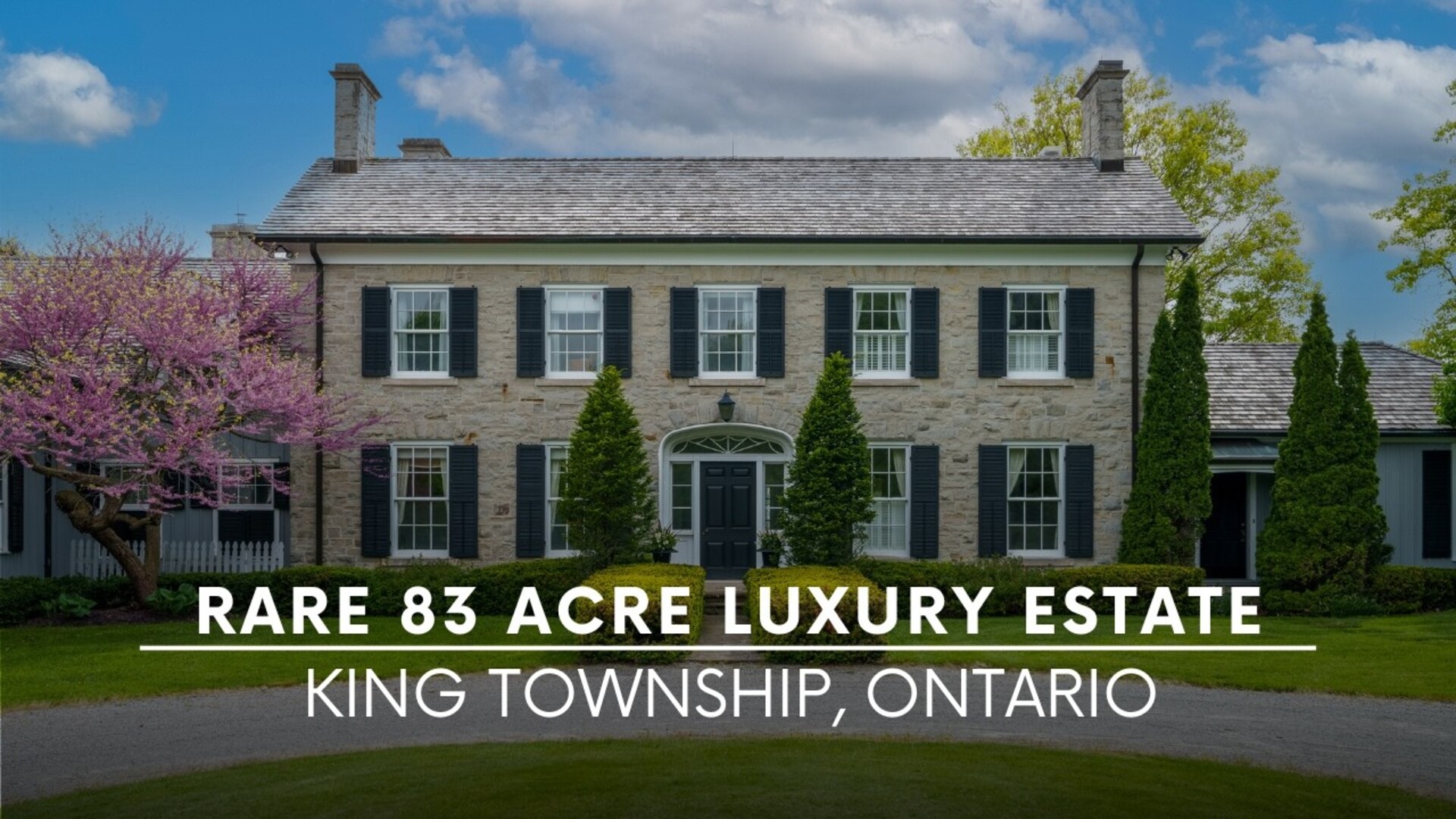
Rolling estate and equestrian properties in King City, King Township

King City

$2.5M – $15M

King City offers the largest estate parcels in the GTA — a haven for buyers seeking acreage, equestrian properties, and rural privacy without sacrificing proximity to the city.

Lots: One to ten-plus acre estate and farm lots, many with stables, ponds, and mature forest.
Architecture: Sprawling country manors and European-inspired stone estates with curved staircases and formal gardens.
Lifestyle: Country-club living surrounded by the Oak Ridges Moraine, golf, and equestrian culture.
Schools: The Country Day School and Villanova College anchor a strong private-school presence.
Parks: Surrounded by the Oak Ridges Moraine, King Township trails, and conservation areas.
Commute: 45–55 minutes to downtown; GO Transit at King City station and Highway 400 access.
Amenities: Boutique village shops, fine dining, and nearby private golf and country clubs.
Explore King City listings & guide
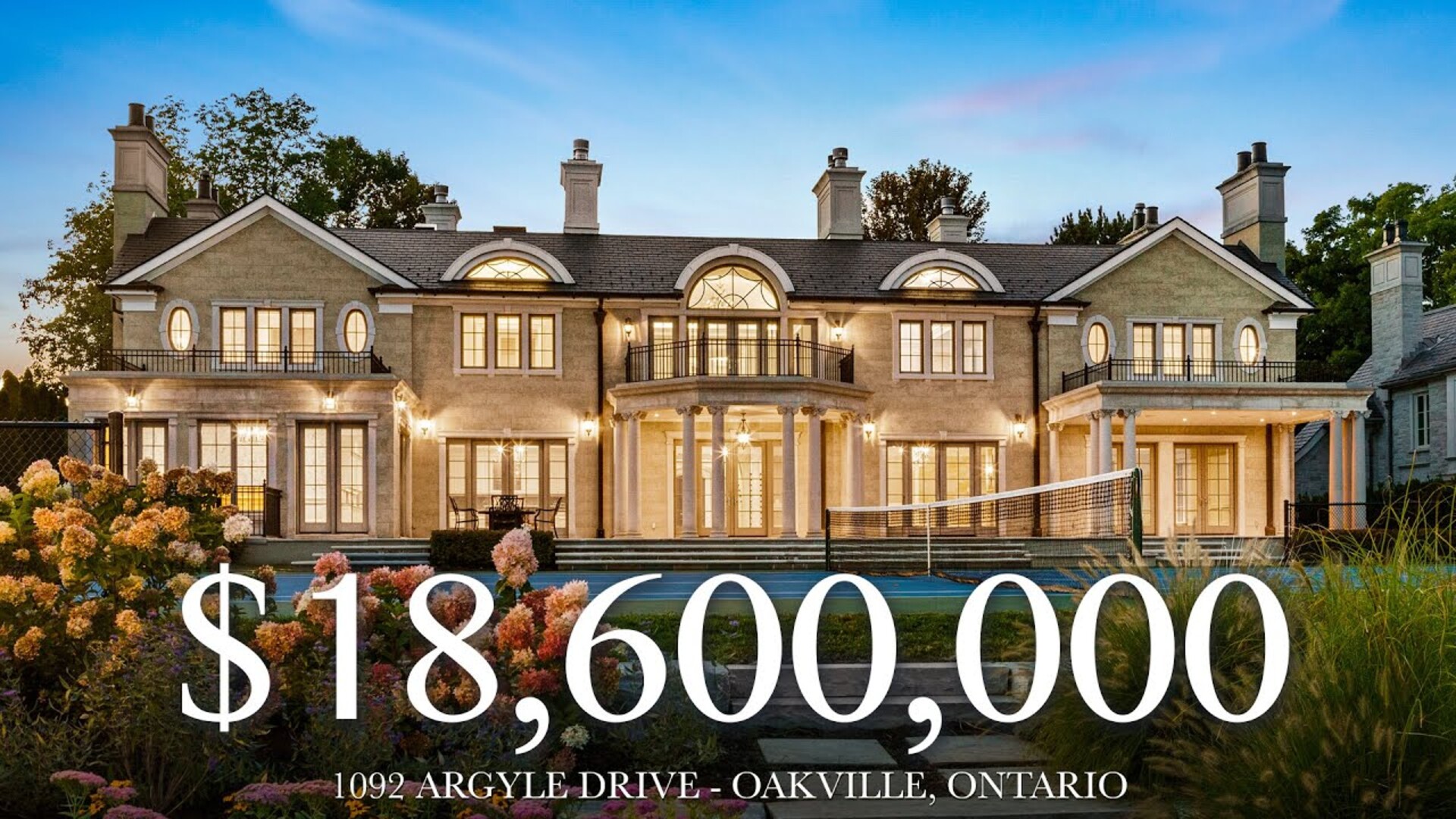
Heritage and estate homes in South Oakville near Lake Ontario

South Oakville

$3M – $20M

South Oakville pairs lakeside prestige with mature, tree-canopied streets. Buyers value its walkable heritage core, top schools, and proximity to Lake Ontario.

Lots: Generous 75–150 ft frontages on mature lots, many within a short walk of the lake.
Architecture: Classic Georgian and Tudor-revival estates in stone and brick with detailed wainscoting and formal dining rooms.
Lifestyle: Sophisticated small-town waterfront living with a vibrant downtown and harbour.
Schools: Oakville Trafalgar High School plus elite private options like Appleby College.
Parks: Steps from Gairloch Gardens, Tannery Park, and the Lake Ontario waterfront trail.
Commute: 35–45 minutes to downtown via QEW or Oakville GO into Union Station.
Amenities: Downtown Oakville boutiques, lakeside dining, marina, and Oakville Club.
Explore South Oakville listings & guide
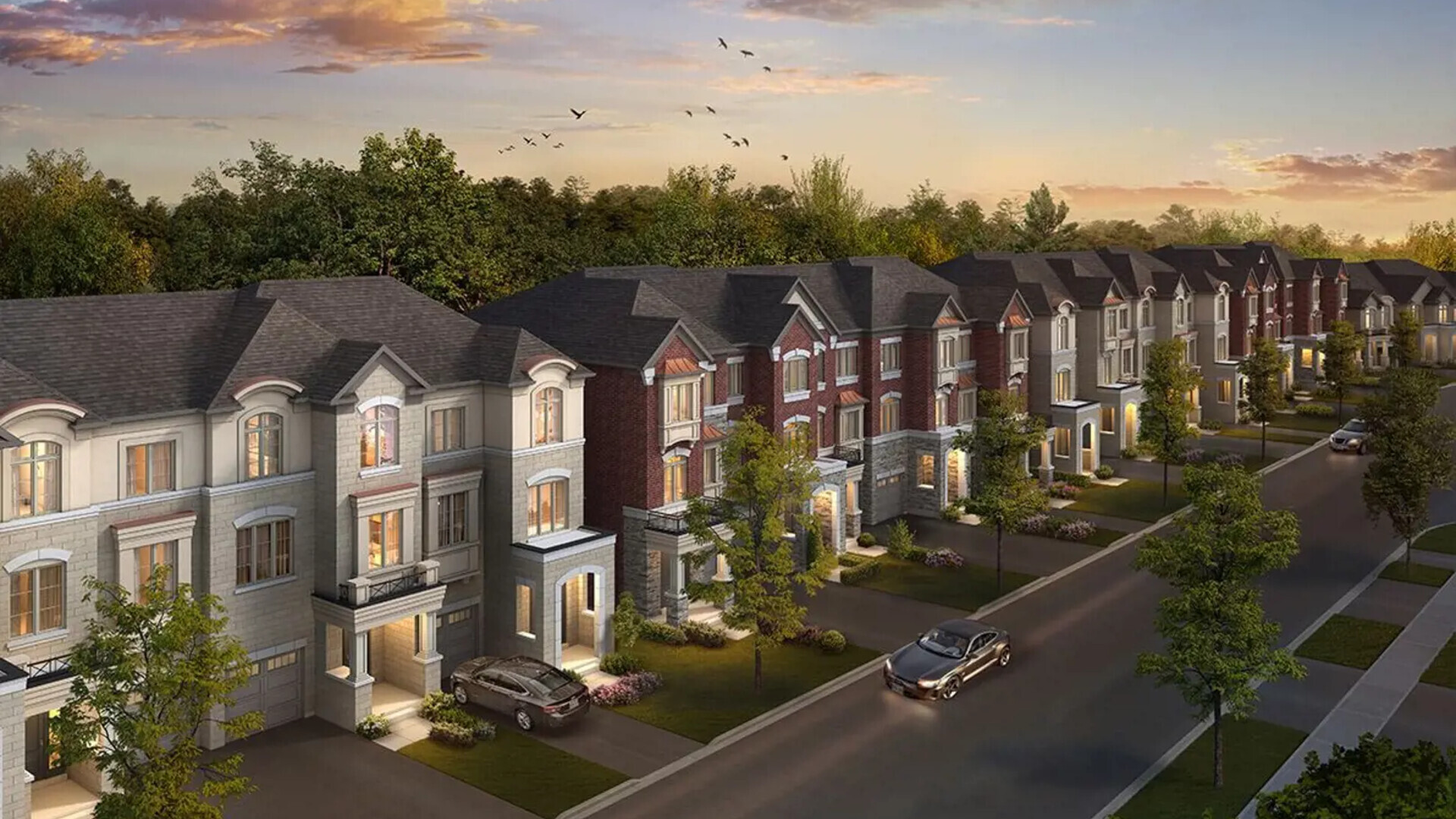
Large traditional estate homes in the Bayview Hill community of Richmond Hill

Bayview Hill

$2.5M – $7M

Bayview Hill is one of Richmond Hill’s most coveted enclaves, prized by families for its top-ranked schools, large lots, and stately, well-maintained traditional homes.

Lots: Wide 60–100 ft lots on quiet, curving streets with mature landscaping.
Architecture: Substantial brick-and-stone traditional homes with grand foyers, libraries, and three-car garages.
Lifestyle: Family-focused, safe, and convenient — a benchmark for upscale suburban estate living.
Schools: Bayview Secondary School’s IB program and Bayview Hill Elementary draw families GTA-wide.
Parks: Bayview Hill Community Park, Mill Pond, and extensive local trail networks.
Commute: 35–45 minutes to downtown; Highway 404, 407, and Richmond Hill GO nearby.
Amenities: Times Square, Hillcrest Mall, and the restaurants of Yonge Street minutes away.
Explore Bayview Hill listings & guide
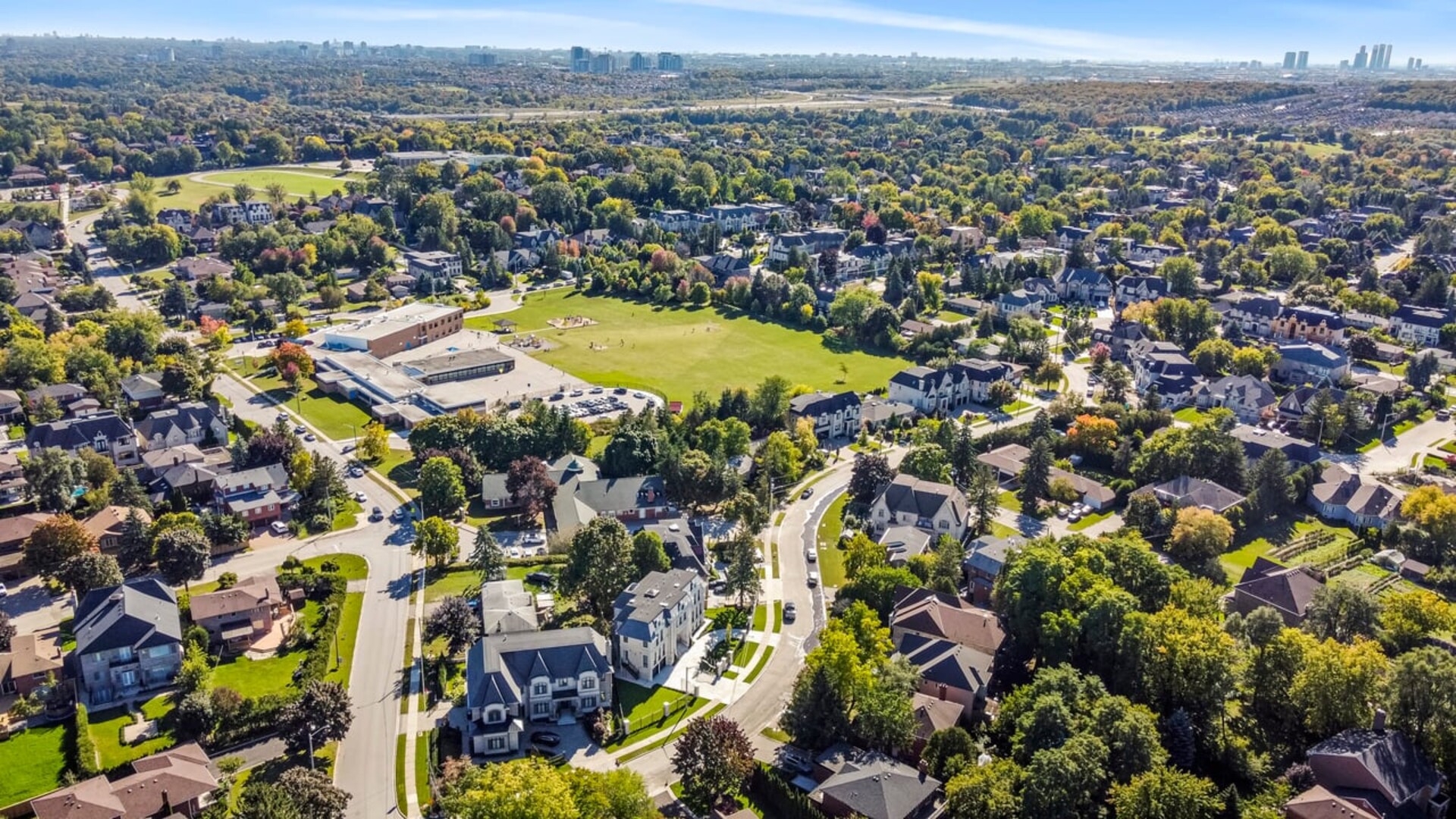
Heritage Main Street and estate homes in Unionville, Markham

Unionville

$2M – $6M

Unionville combines one of Ontario’s prettiest heritage main streets with sought-after estate pockets, appealing to buyers who want character, community, and convenience.

Lots: Established 50–100 ft lots, with larger estate parcels backing onto Toogood Pond and Bruce Creek.
Architecture: Traditional brick estates and heritage-inspired homes with formal rooms and timeless detailing.
Lifestyle: Vibrant and walkable — historic Main Street shops, theatre, and waterside trails.
Schools: Unionville High School’s arts program is among the most prestigious in the province.
Parks: Toogood Pond, Too Good Pond Park, and the Rouge Valley trail system.
Commute: 40–50 minutes to downtown; Unionville GO and Highways 404/407 nearby.
Amenities: Historic Main Street Unionville, Markham Theatre, and First Markham Place.
Explore Unionville listings & guide
Live Market Data

GTA Traditional Estate Market Insights

Live data for the GTA luxury estate segment — active detached homes priced at $2.0M+ — updated automatically from current MLS® inventory.

3,642
Active estate listings
933
New in last 30 days
29
Avg. days on market
$3.0M
Median list price

Supply & inventory: The traditional estate segment is defined by scarcity. With 3,642 active detached estate homes across the entire GTA, well-located properties with authentic traditional features represent only a fraction of overall inventory — and the best examples are quickly absorbed.

Pricing & days on market: The current median list price in this segment is $3.0M, with homes averaging roughly 29 days on market. Estate pricing is typically less volatile than the broader market, reflecting the enduring demand for land, location, and craftsmanship.

Why buyers should monitor this segment: Because supply is permanently constrained and many estates trade privately, monitoring the market closely is essential. Setting up instant alerts ensures you see new traditional estates the moment they list, giving you the time to evaluate and act before competing buyers.

Negotiating a luxury purchase: At this tier, negotiation is about more than price. Understand the property’s history, days on market, and comparable sales; be prepared to move decisively on rare, well-priced estates; and lean on specialist representation to navigate conditions, inspections, and off-market opportunities.

24 Featured Traditional Estates

See all on Browse MLS
Expert Guidance

Traditional Estate Buyer Tips

Buying an estate is different from buying a typical home. Keep these essentials in mind to protect your investment and buy with confidence.

1

Review renovation history carefully

Request permits and documentation for any additions or updates to confirm work was done to code and by qualified trades.

2

Verify heritage restrictions

Older estates may carry heritage designations that limit exterior changes — confirm before planning renovations.

3

Inspect the building envelope

Budget a thorough inspection of the roof, windows, HVAC, and stonework, as repairs on large estates are costly.

4

Evaluate lot dimensions and privacy

Confirm frontage, depth, easements, and setbacks — the land is often the most valuable, enduring asset.

5

Consider future resale demand

Favour timeless layouts and established streets that appeal to the broadest pool of luxury buyers.

6

Assess the carrying costs

Account for property taxes, heating, insurance, and grounds maintenance on larger estate homes.

Work With a GTA Luxury Estate Specialist

Traditional estates are limited in supply and often sell through private channels. Connect with our team to arrange a private showing, access off-market opportunities, and receive expert guidance through every step of your purchase.

Questions Answered

Frequently Asked Questions

What is considered a traditional estate home?
A traditional estate home is a large, formally designed luxury residence built in a classic architectural style — typically Georgian, French chateau, Tudor, or Colonial. Hallmarks include natural stone or brick exteriors, symmetrical facades, grand two-storey entrances, formal dining rooms, libraries, curved staircases, coffered ceilings, and detailed millwork, set on an estate-sized lot.
Are traditional estate homes more expensive?
They command a premium because of their larger lots, superior materials, and prestigious locations. In the GTA, traditional estates generally start around $2M and rise well into the eight figures in areas like the Bridle Path. The land, craftsmanship, and established neighbourhood all contribute to the price.
Which GTA neighbourhoods have the best traditional estates?
The most sought-after areas include the Bridle Path in Toronto, Kleinburg in Vaughan, King City in King Township, South Oakville, Bayview Hill in Richmond Hill, and Unionville in Markham. Each offers a distinct mix of lot sizes, architecture, and lifestyle.
Do traditional estates appreciate well?
Historically, yes. Their timeless design, limited supply, and established locations help traditional estates hold value through market cycles and appeal to the widest pool of luxury buyers, supporting strong long-term appreciation.
How are traditional and transitional homes different?
Traditional homes use classic, ornate detailing — formal rooms, mouldings, and symmetrical design. Transitional homes blend traditional structure with cleaner, contemporary finishes for a lighter, more current feel. Modern and contemporary homes go further, emphasizing minimalism, open plans, and walls of glass.
What lot size is considered an estate lot?
In the GTA, an estate lot generally starts around half an acre and ranges up to several acres. In areas like King City and the Bridle Path, estate parcels of one to ten-plus acres are common, often with mature landscaping and significant privacy.
Are traditional estates good for families?
Very much so. Their generous layouts, multiple living zones, main-floor offices or suites, large bedrooms, and proximity to top schools and parks make traditional estates ideal for growing and multi-generational families.
What features define a luxury traditional home?
Key features include natural stone or limestone exteriors, grand two-storey foyers, curved staircases, coffered ceilings, wainscoting, formal dining rooms, a library or home office, chef’s kitchens, and estate-sized landscaped grounds — all executed with high-end craftsmanship and materials.
How do I buy a traditional estate in the GTA?
Start by defining your preferred neighbourhoods, lot size, and budget, then monitor active inventory closely — quality estates move quickly. Working with a luxury specialist gives you access to off-market opportunities and expert guidance on pricing, inspections, and negotiation.
Is now a good time to buy a traditional estate?
Luxury estate inventory is limited and tends to be less volatile than the broader market. Buyers who monitor the segment can find strong opportunities, particularly when well-priced estates with timeless features come to market. Setting up instant alerts ensures you never miss a new listing.